


Awaab’s Law: Mould Assessment, Reporting
& Remediation
Supporting landlords, housing providers and property professionals with mould assessment, environmental reporting and remediation guidance.
The introduction of Awaab's Law has increased the focus on damp, mould and indoor environmental conditions within residential properties.
Housing providers, landlords and property managers are expected to respond appropriately to reported hazards and take reasonable steps to investigate and address potential risks affecting occupants.
BioSweep® UK supports the assessment, reporting and remediation process through professional mould inspection reports, environmental sampling, mould remediation and treatment verification services.


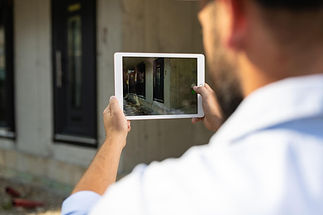
What Is Awaab's Law?
Awaab's Law was introduced following the death of Awaab Ishak and aims to strengthen the way social housing providers respond to reported health hazards within residential properties.
The legislation is intended to ensure that serious issues such as damp and mould are investigated and addressed within defined timescales, helping protect occupants from avoidable risks.
Whilst BioSweep® UK does not provide legal advice, our services can help support the assessment, reporting and remediation process where mould or environmental concerns have been identified.
Why Mould Should Be Properly Investigated
Visible mould growth is often a symptom rather than the root cause.
Contributing factors may include:
-
Condensation
-
Ventilation limitations
-
Water ingress
-
Plumbing defects
-
Building defects
-
Occupancy patterns
-
Heating and moisture management issues
Understanding the underlying cause is often essential before remediation decisions are made.


Professional Mould Inspection Reports
Professional mould inspection reports can help provide a structured assessment of environmental conditions and visible mould concerns.
Reports may assist:
-
Housing providers
-
Landlords
-
Property managers
-
Letting agents
-
Residents
-
Maintenance teams
Typical investigations may include:
-
Visual inspection
-
Moisture assessment
-
Environmental observations
-
Air sampling
-
Surface sampling
-
Remediation recommendations
Residential Mould Investigation
Understanding what is included within a professional mould inspection report can help property owners, landlords and housing providers make informed decisions. The example below demonstrates the typical scope, findings and recommendations that may form part of a BioSweep® UK mould inspection report.
Example Professional Mould Inspection Report - Residential Property Investigation
The following example is based on an actual mould investigation undertaken by BioSweep® UK. Client information, property details and laboratory data have been anonymised for illustrative purposes.
Background
BioSweep® UK was instructed to investigate reported mould growth and concerns regarding indoor environmental conditions within a residential property following historic moisture ingress.
A comprehensive assessment was undertaken to determine the extent of fungal activity and identify areas requiring further investigation or remediation.
Scope of Inspection
The investigation included:
-
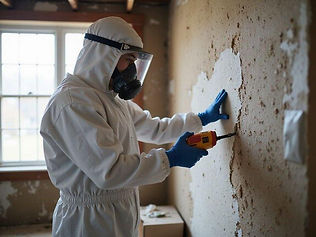
Visual inspection of affected areas
-
Moisture assessment of building materials
-
Air sampling
-
Surface sampling
-
Environmental observations
-
Independent laboratory analysis
-
Recommendations for remediation and verification
Areas Assessed
The inspection included:
-
Bedrooms
-
Bathroom and ensuite facilities
-
Landing and circulation areas
-
Living accommodation
-
Kitchen
-
Hallway
Several locations displayed evidence of previous moisture ingress, elevated moisture readings and visible signs consistent with fungal proliferation.
Environmental Sampling
Air and surface samples were collected from multiple locations throughout the property to assess fungal activity and compare internal environmental conditions against an external control sample.
Laboratory analysis identified elevated fungal activity in several areas of the dwelling, with some locations reporting significant anomalies requiring remediation.
Key Findings
The investigation identified:
-
Elevated airborne fungal spore levels
-
Active fungal proliferation to affected building materials
-
Moisture-affected flooring and structural elements
-
Localised contamination associated with historic water ingress
-
Areas requiring further opening-up works to determine the full extent of contamination
Recommendations
Recommendations included:
-
Further investigation of concealed areas
-
Removal of contaminated materials where necessary
-
Resolution of moisture-related defects
-
Professional mould remediation
-
Environmental cleaning
-
Post-remediation verification and reporting
Outcome
Following assessment, a structured remediation programme was recommended to address identified fungal contamination and support the restoration of acceptable environmental conditions within the property.
Where appropriate, post-treatment verification sampling may be undertaken to help assess environmental conditions following remediation works.


Related Services:
-
Treatment Validation & Results Reporting
Need a Professional Mould Inspection Report?
BioSweep® UK provides structured mould inspections, environmental sampling and reporting services for homeowners, landlords, housing providers and commercial property professionals throughout the UK. Reports can be supported by independent laboratory analysis using UKAS-accredited test methods where applicable.